
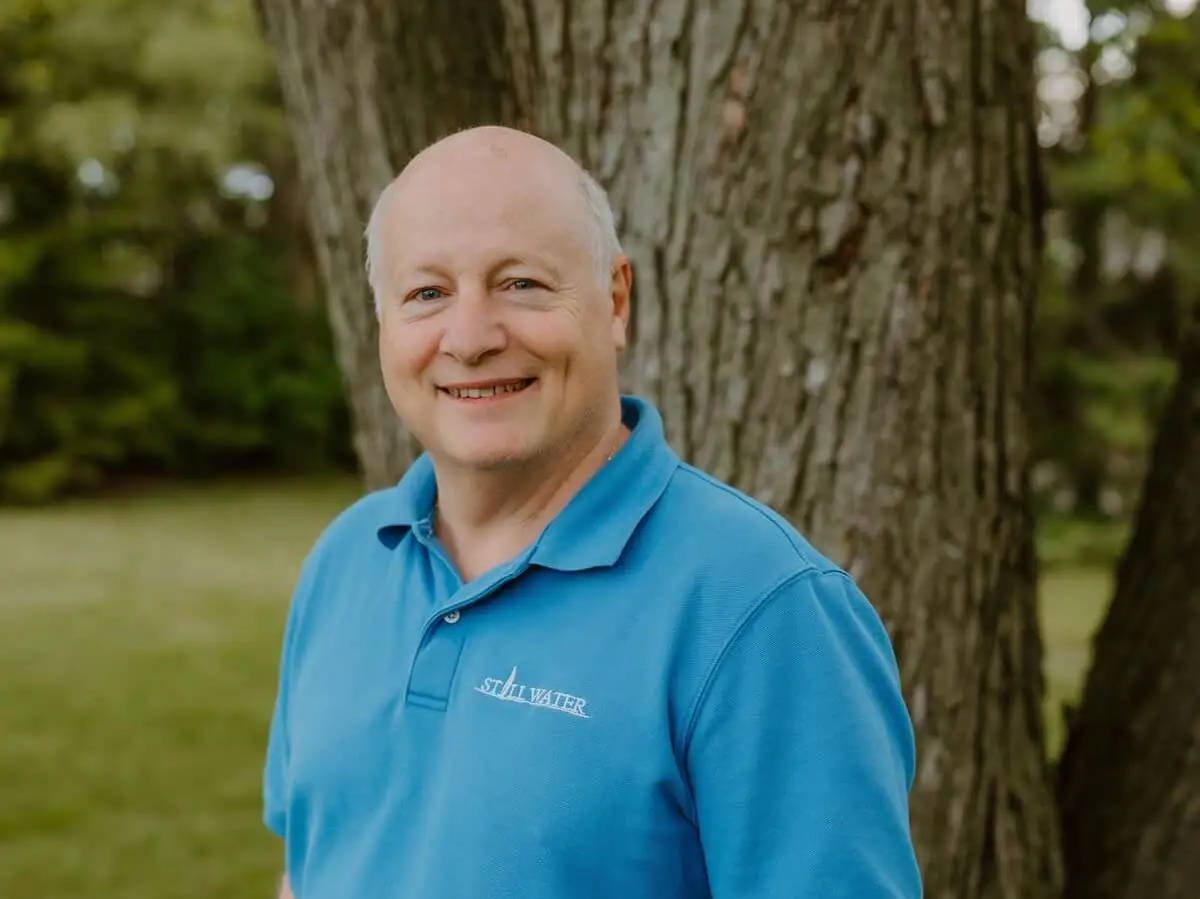
Early in his career as a counselor, Rob Boothroyd worked with men inside the prison system and with individuals on probation and parole in Midland. Again and again, he heard the same frustrations. They were expected to find jobs while juggling required meetings with probation or parole officers, counseling appointments, and community service. They needed money to pay court costs and fines, secure housing, and meet everyday expenses, but transportation and employment could be difficult to find.
The expectation was clear: rebuild your life. The path to doing it wasn’t.
That experience gave Rob an up-close understanding of one of the fundamental challenges of reentry: wanting to make a different choice isn’t always enough. People also need a realistic opportunity to make that choice. That’s what Rob sees in MCFOAR.
“MCFOAR walks with people as they rebuild their lives, but they also ensure they have a real path to do it.”
By helping returning citizens address practical barriers such as employment, housing, and transportation, MCFOAR gives people a stronger foundation from which to begin again. But just as important to Rob is how that assistance is provided: with compassion, dignity, and accountability.
“MCFOAR offers people the chance to believe that a different future is possible and the support to start building it.”
For Rob, the impact extends beyond the individual. When people returning from incarceration have the support they need to find employment, establish stable housing, meet their obligations, and become contributing members of their communities, everyone benefits. Families become stronger, the likelihood of returning to the criminal justice system can be reduced, and communities become safer.
It’s why Rob describes MCFOAR as “a beacon of hope” for people who may feel they have few opportunities left, and it’s why he believes supporting reentry is something the entire community has a stake in.
“A second chance doesn’t just change one person’s life. It strengthens families and makes our entire community stronger.”
For people who have already paid the price for their mistakes, the question shouldn’t simply be whether they’re ready to move forward. It should also be whether we’re willing to help make moving forward possible.