
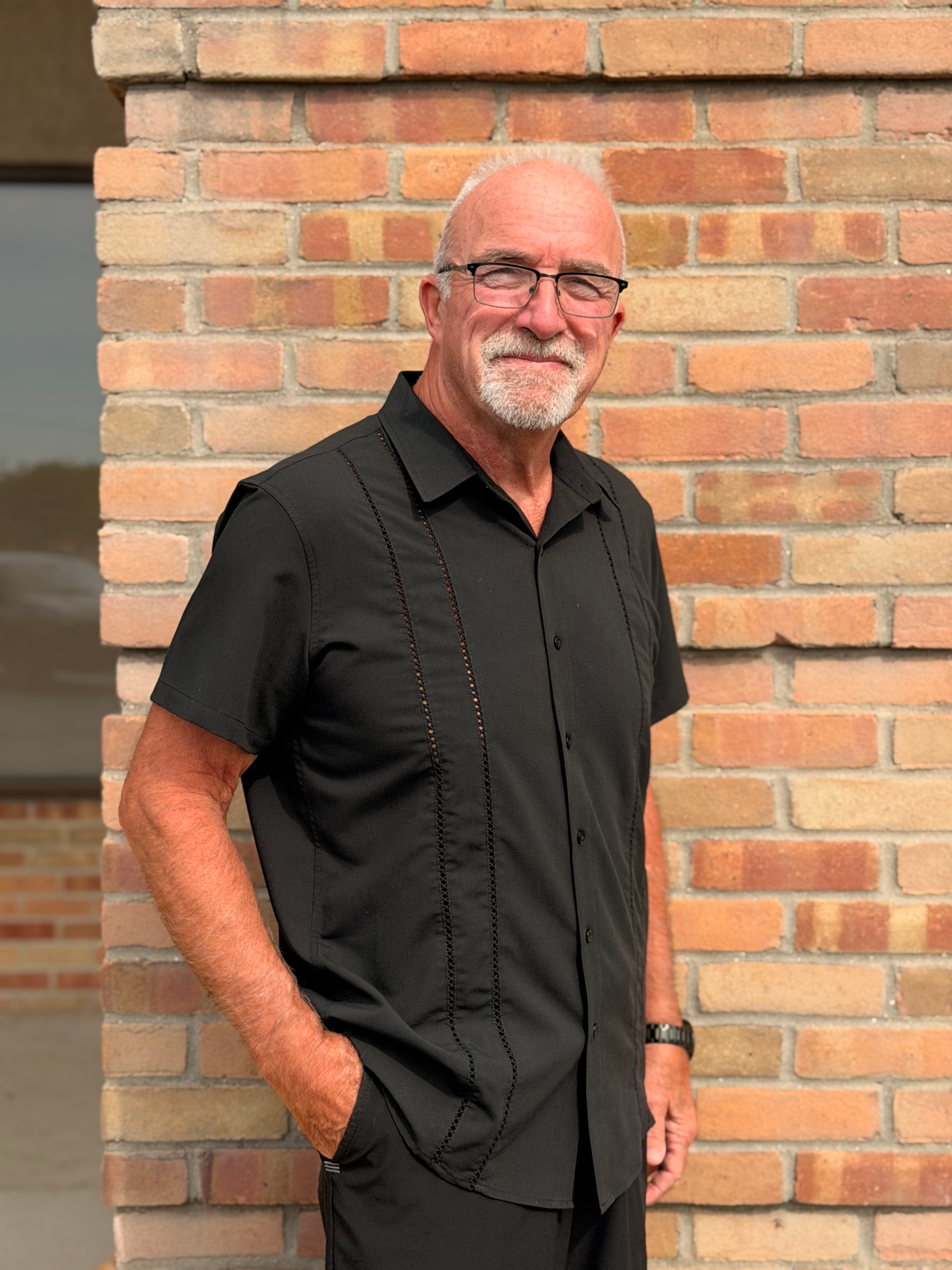
MCFOAR began with a question Rob couldn’t ignore: What happens to people when the support they depend on suddenly disappears?
Before founding MCFOAR, Rob spent 27 years in law enforcement. Later, he worked as a resource specialist for the Michigan Department of Corrections, helping parolees in Midland and Bay counties navigate the difficult transition back into the community. By late 2012, he was working with approximately 100 people when funding for the program was eliminated.
Rob knew what walking away could mean.
“I knew what would happen if I just dropped them. I’d seen it over my 27 years of law enforcement, what happens when they don’t have anyone looking out for them.”
So he didn’t walk away.
Rob prayed about it, talked with his wife, and decided to continue the work independently. In January 2013, MCFOAR began serving people returning from incarceration who needed help rebuilding their lives.
One of the first was a man Rob calls “Bob.” After nearly 20 years in prison, Bob returned to a community where his parents and siblings had all passed away. He arrived with little more than the clothes he had been given upon release and no clear idea of where to begin. MCFOAR helped him find housing and, as Rob puts it, “started to build him back up.”
Before long, Bob was working, had purchased a vehicle, and was paying the rent on his own apartment. His story became an early example of what MCFOAR could be: not simply a place to find resources, but a community willing to see the person beyond the conviction.
That philosophy continues to shape MCFOAR today.
“We weren’t judging or talking to them like they were ‘those guys’ or ‘those people.’ We treated them as individuals with respect.”
More than a decade later, Rob remains committed to the work. His Christian faith continues to guide both his personal calling and MCFOAR’s approach to serving others. And when asked what he wants the community to understand about the people MCFOAR serves, his answer gets to the heart of why the organization exists:
“Everyone that we assist is one of God’s creations, and we need to give them a second, third, fourth, fifth—however many chances they need to get their life in order
For Rob, second chances aren’t something people eventually run out of. They’re something a community can choose to keep giving.
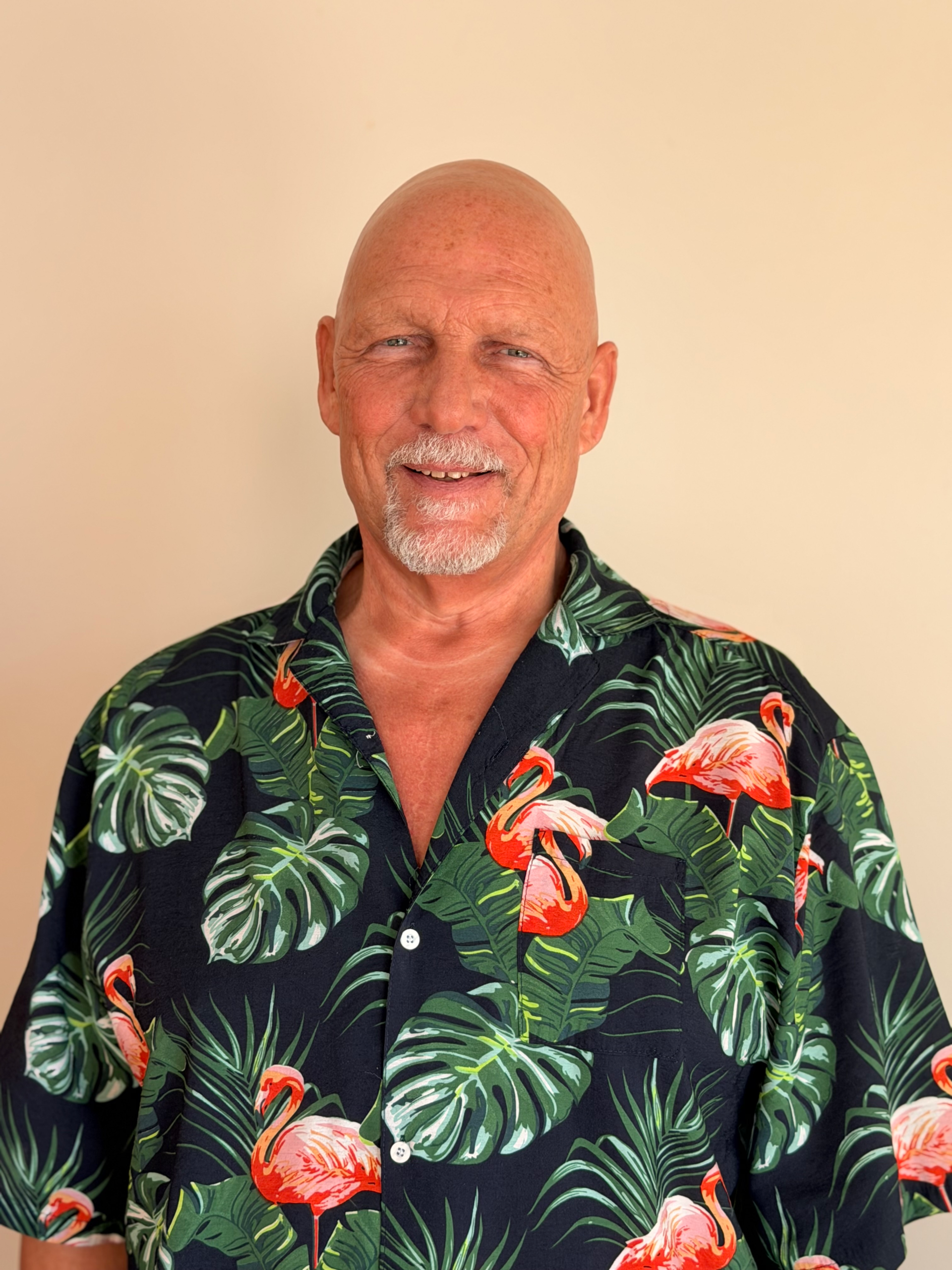
Gerry doesn’t believe he chose this work. His path to MCFOAR began through jail ministry. After searching for where he could best serve others, Gerry felt called to the Midland County Jail. What began there became a ministry that has spanned more than 17 years, and it eventually led him to MCFOAR.
“I think God chose it for me, and I just accepted it.”
A mutual connection suggested Gerry might be able to help with the organization Rob was building. After a few weeks of phone tag, the two finally sat down together.
They talked for about 45 minutes, and Gerry has been with MCFOAR ever since.
Today, as the organization’s Programs Director, Gerry is often one of the first people someone encounters when they come through MCFOAR’s doors. He conducts initial intakes, but he describes his job much more simply: “I listen.” From there, he helps people address the practical barriers standing between them and a successful return to the community: food, clothing, transportation, employment, and other tangible needs.
But Gerry believes his role is also about something deeper. “We get to lessen the load that they’re carrying.” His own life experiences shape the way he approaches the people MCFOAR serves. He doesn’t see his job as passing judgment on the choices someone has made. He sees it as meeting them where they are and helping them figure out how to move forward.
“We’re not judging. We’re not condemning. We’re really trying to help them move forward so they can be productive citizens in society.”
For Gerry, his Christian faith is inseparable from that work. He believes God led him to jail ministry, led him to MCFOAR, and continues to bring the right people through the organization’s doors at the right time. And when they arrive, Gerry wants them to find something they may be struggling to hold onto: Hope. It’s a powerful reminder that they don’t have to carry everything alone and that there are people ready to help lighten the load.